
Introduction
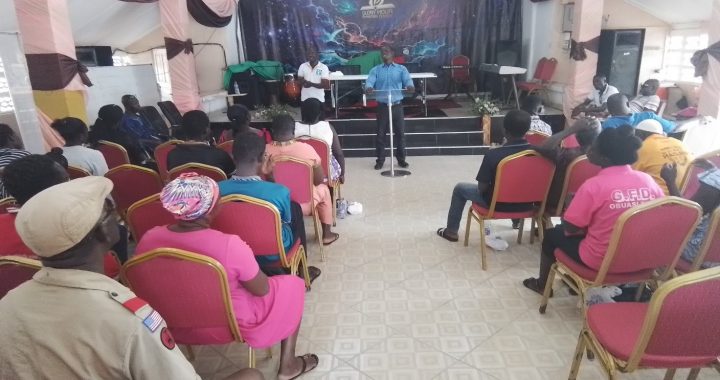
The training workshop was organized by the Disability Fund Management Committee on 28th November 2022 at Wawase Old Court.
Training Objective
The training was held to give the beneficiaries requisite knowledge on managing the finances of their businesses, making savings from the businesses and reinvesting into the businesses to make them profitable and sustainable.
Participants & Facilitators
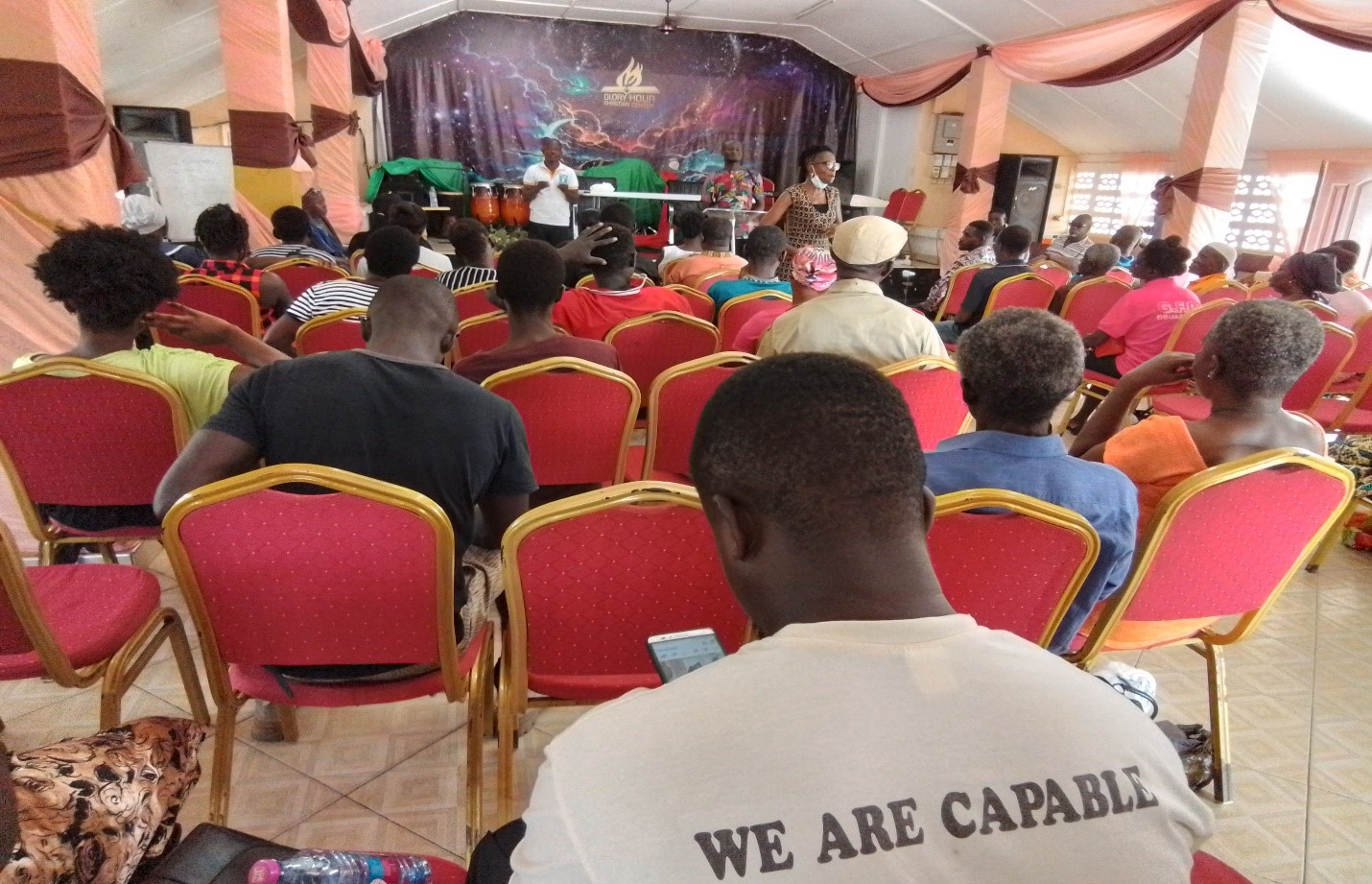
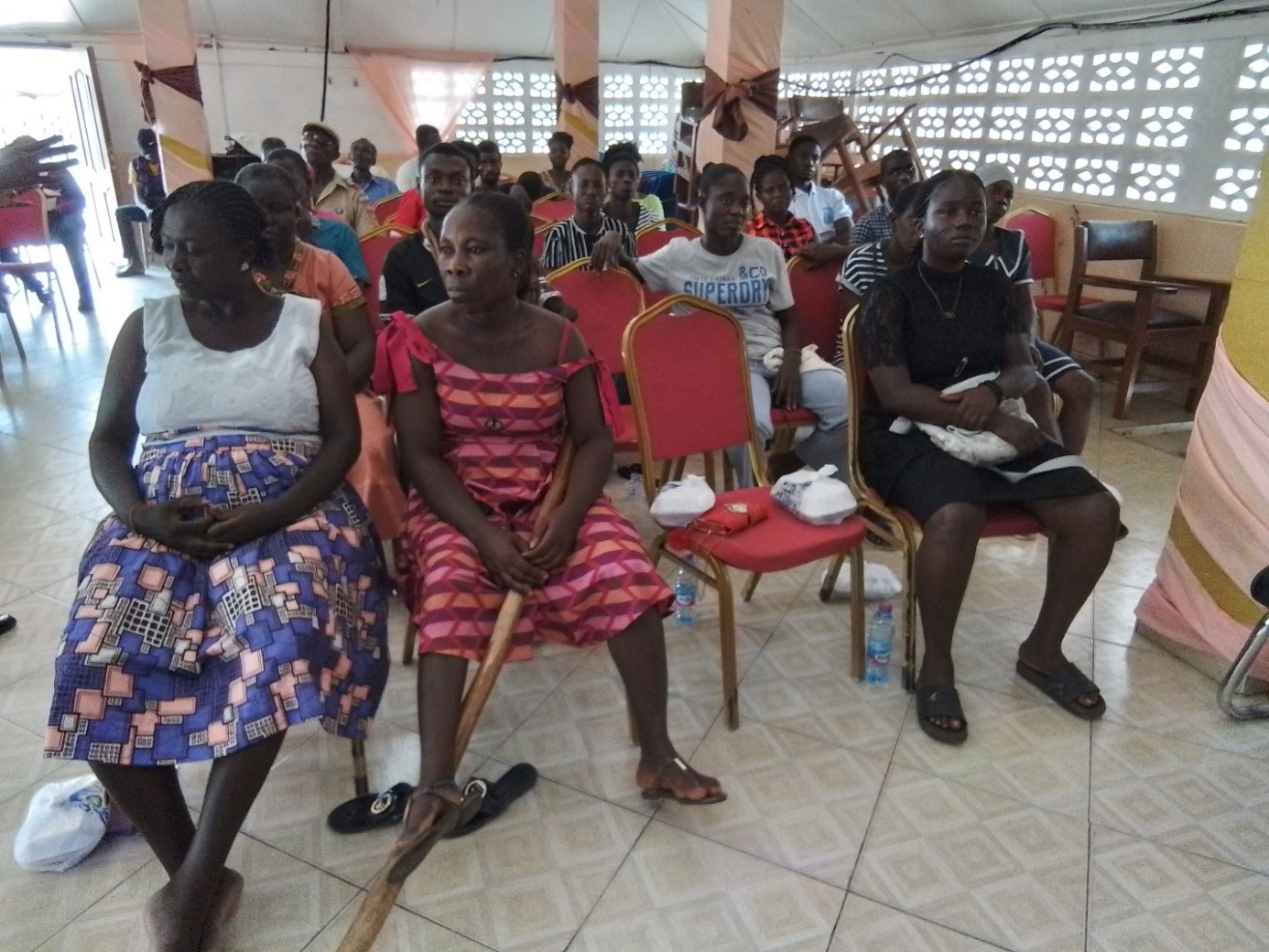
The training was held for PWDs in the district. Fifty (50) PWDs from the district participated in the training. The participants were made up of physically challenged (difficulty moving), intellectually challenged (difficulty learning), visually impaired (difficulty seeing), hearing impaired (difficulty hearing) and speech impaired (difficulty speaking) persons.
Resource persons from the Ghana Enterprises Agency (GEA), Mr Kelvin Ofori Attah and Mr Sylvester Gyekye facilitated the training with support from the Gender Desk Officer and Social Welfare & Community Development Officers.
Opening Remarks
The Chairman of the Social Services Sub-Committee who doubles as the Disability Fund Management Committee Chairman, Hon. Alfred Fosu Donkor, acted on behalf of the District Chief Executive to open the program. In his opening remarks, the Chairman noted that for a business to be considered profitable, it must generate gross revenue exceeding the invested capital over time. He took the opportunity to commend the participants for attending the training programme and added that the Assembly is deeply concerned about the wellbeing of persons with disability in the district, hence a programme like this is intended to provided empowerment to enable them maximize the support they receive from the Assembly. He was optimistic that the programme will help them to manage their finances well so that their businesses will grow. He again advised them to take note of whatever they will be taught seriously in order to improve their businesses.
Training Contents
Money Management
The facilitators started with the explanation of the difference between the things we NEED and the things we WANT and the things we WANT but do not need. It was explained that Wants are things that we use, but we can live without. The participants took some time to brainstorm on the things we want which we can or have been living without. The participants came up with things like cars, mobile phone etc.
It was further explained that NEEDS are things important for us to stay alive or we cannot live without. Examples such as food, water, oxygen, shelter etc. were brainstormed by the participants.
It was made clear that in order to run a successful business one must be able to distinguish between his NEEDS and WANTS.
Responsibility for Your Finances
In taking responsibility of one’s finances, the PROBLEM TREE methodology was used as guidance when solving problems concerning finances. It was explained that we have four parts of the PROBLEM TREE which include
- The trunk which explains what problem one is facing
- The roots which explains where the problem comes from
- The branches which explains what effects the problem has on the people concerned.
- The leaves which also identify the best way to solve the problem
It was explained that if you are having issues in your businesses or finances these are what you have to look out for in order to put your business back on track.


On responsible spending the facilitators explained two types of responsible spending which include
- Essential spending: it is spending on the things we need
- Desirable spending: it is spending on things we want
It was explained that in order to spend your savings or earnings responsibly one has to distinguish between his/her essential and desirable spending.
RESPONSIBLE SAVING
In responsible saving, the facilitators explained the need to save from the profits and earnings of the business. In addition, the saving culture may be challenging sometimes but at the end of the day it is very beneficial to the one saving. Three (3) categories were identified in which to save responsibly for:
- Personal use
- Unexpected events and
- Future opportunities
Contributions, Questions and Answers
- Challenges in saving at the banks were raised by a visually impaired participant and were discussed.
- A hearing impaired participant applauded the organizers for the eye opening lessons. He further suggested a one on one coaching. It was explained that officers are always available to coach
- A visually impaired also raised a concern about the apprenticeship fee for those who want to learn a trade. He suggested the Assembly should negotiate on their behalf.
Conclusion
In conclusion, the participants were educated on what to look out for in terms of their NEEDS and WANTS in order to be able to spend responsibly and be able to save appropriately to have a profitable and sustainable businesses that will help their families and contribute to national development.
GODWIN K. BANSAH