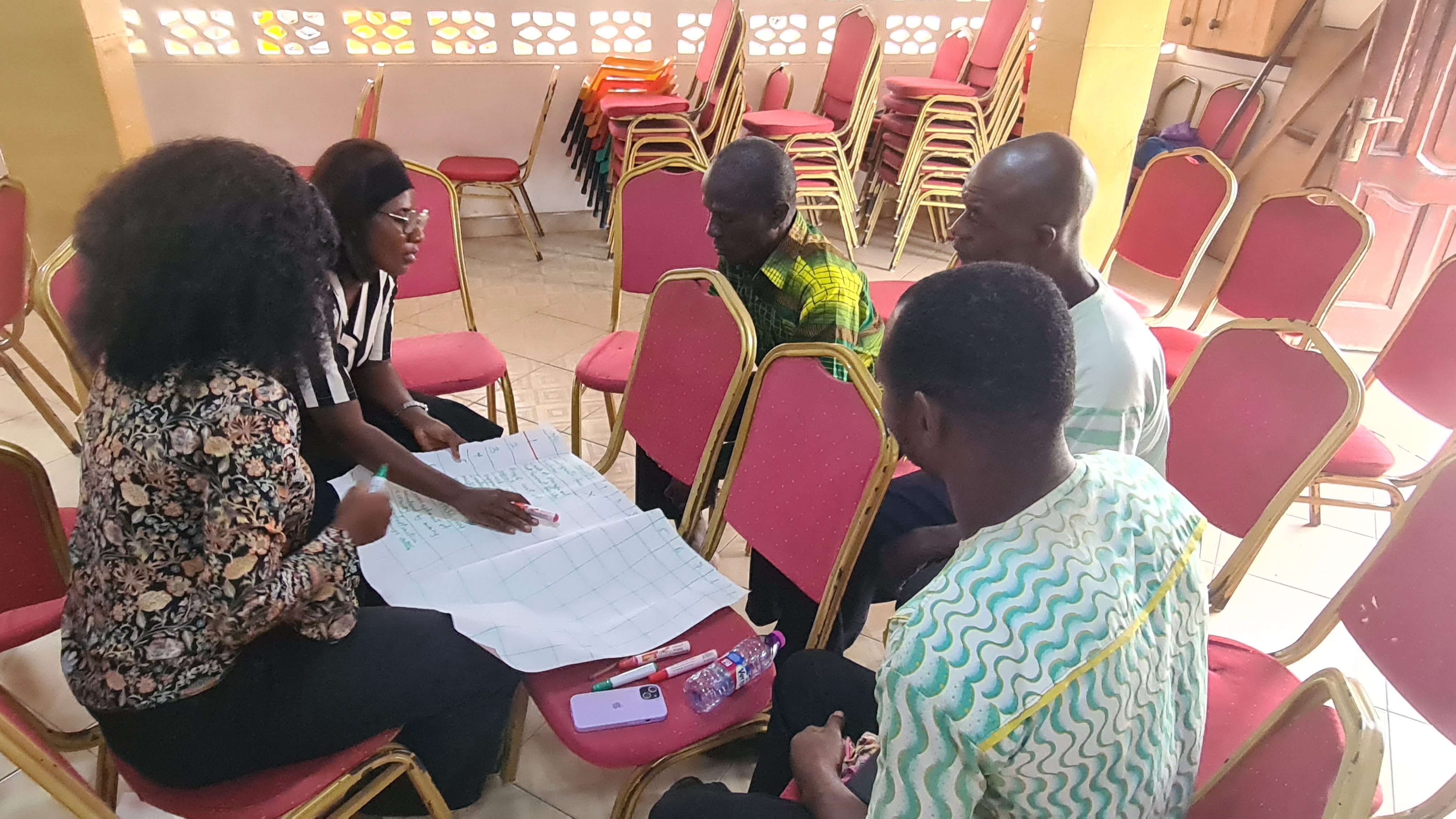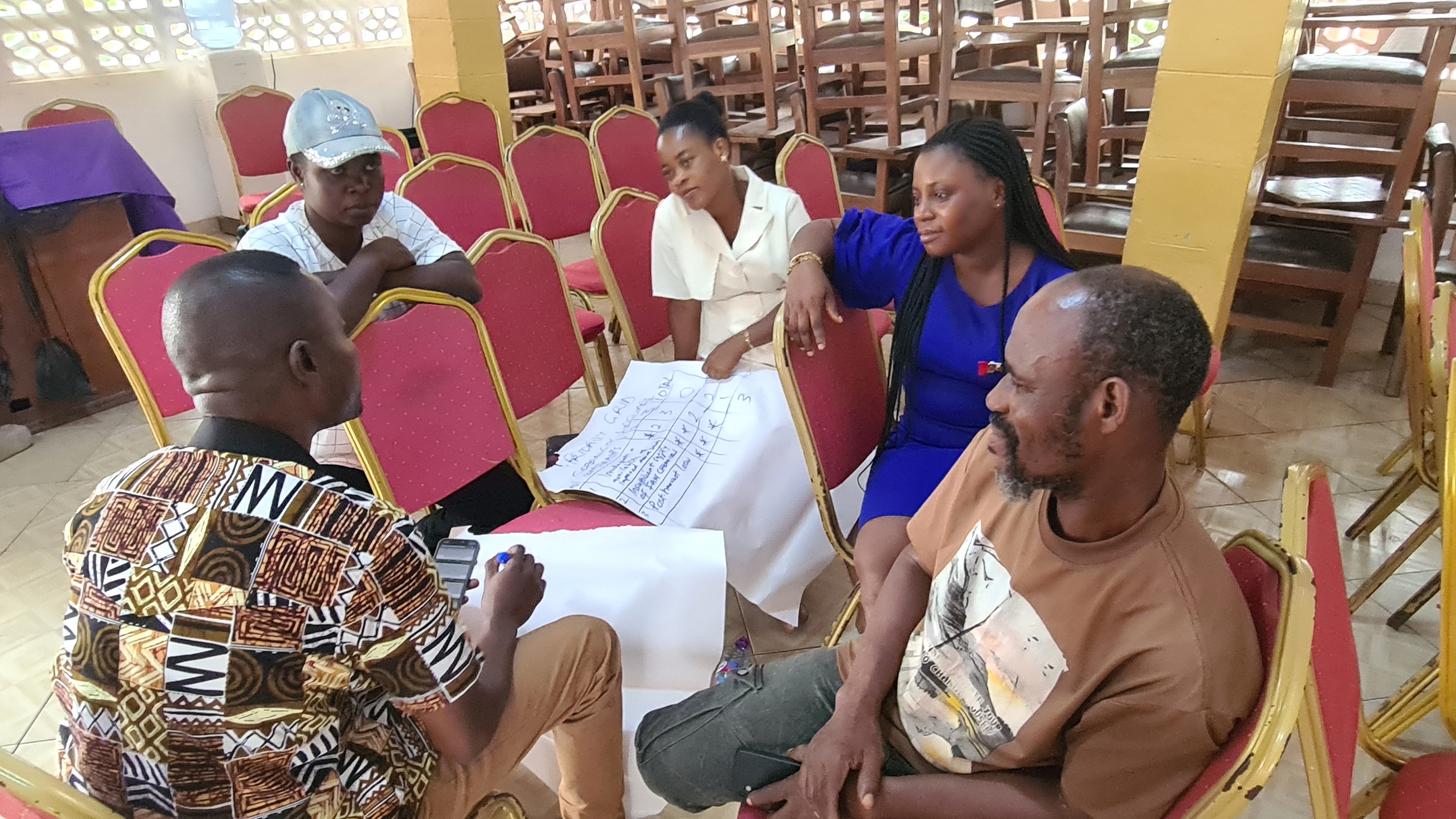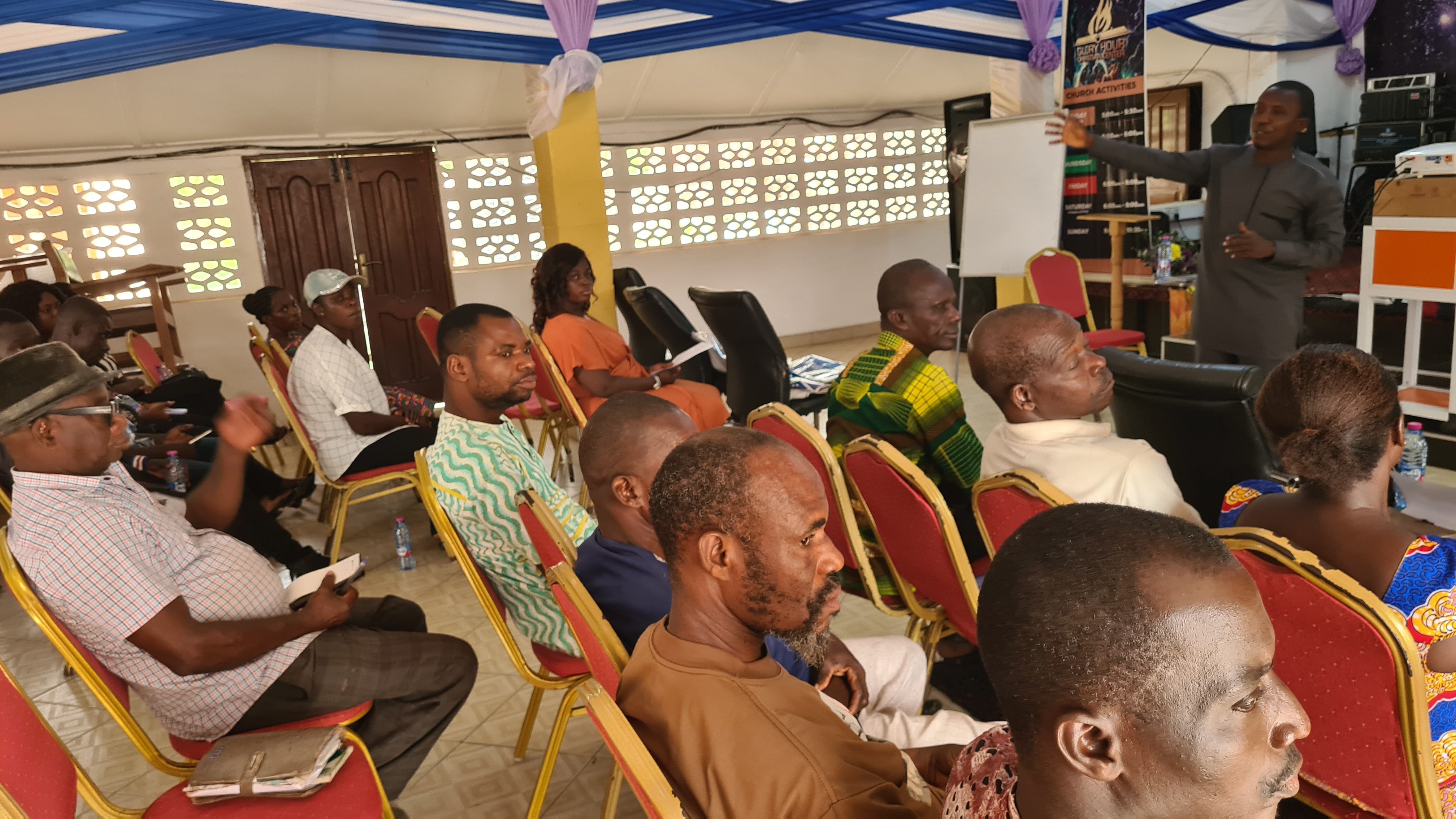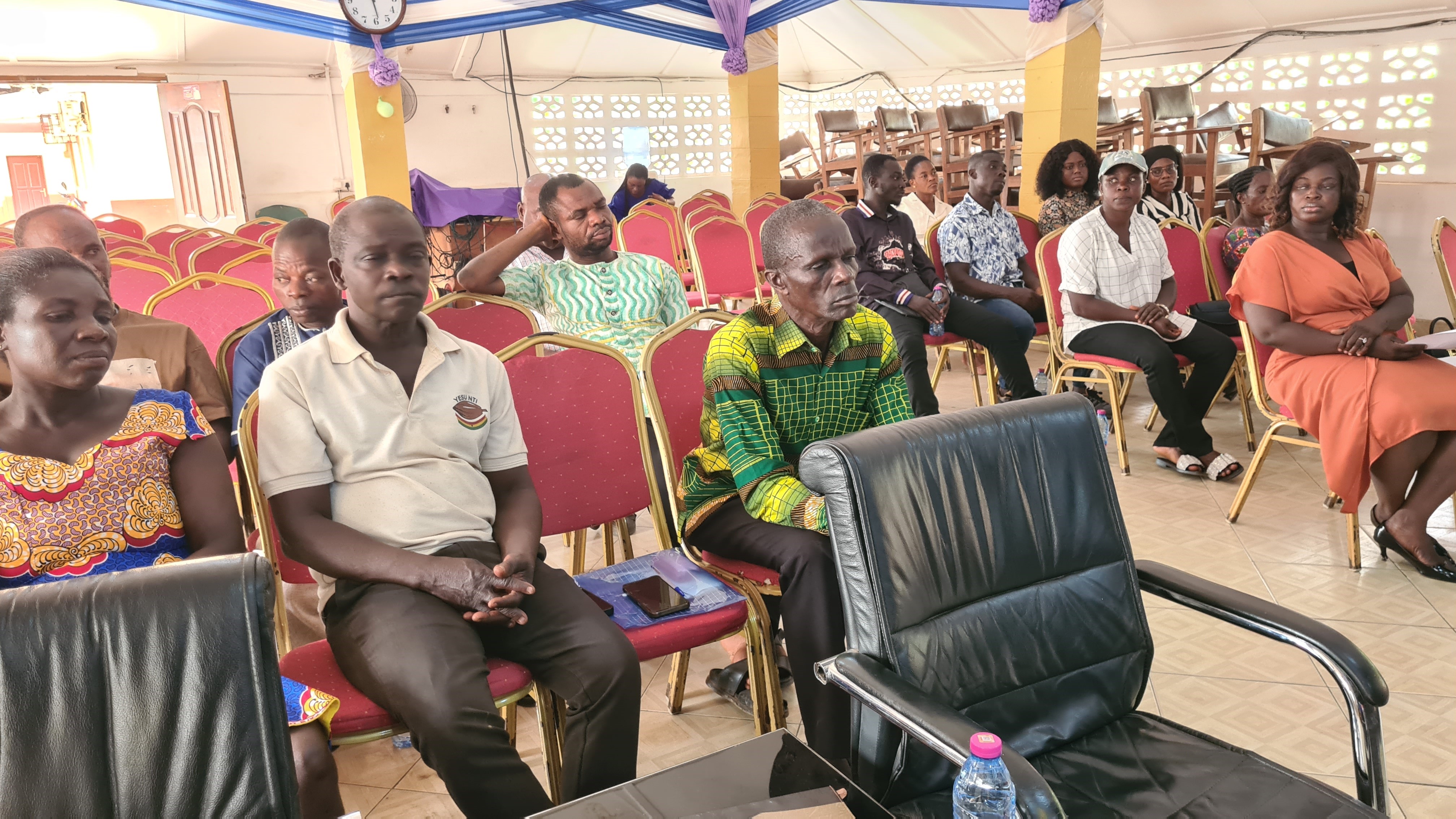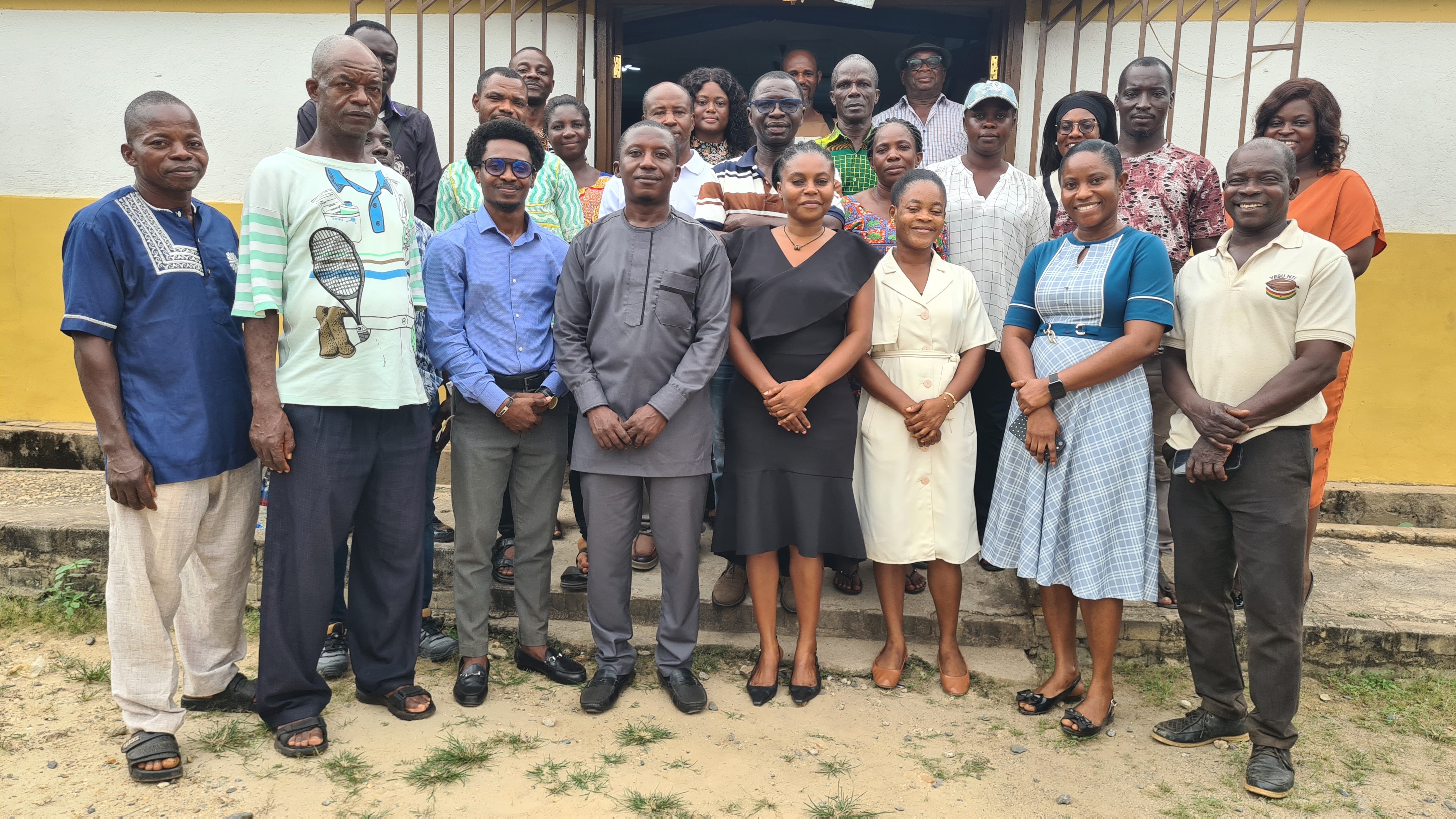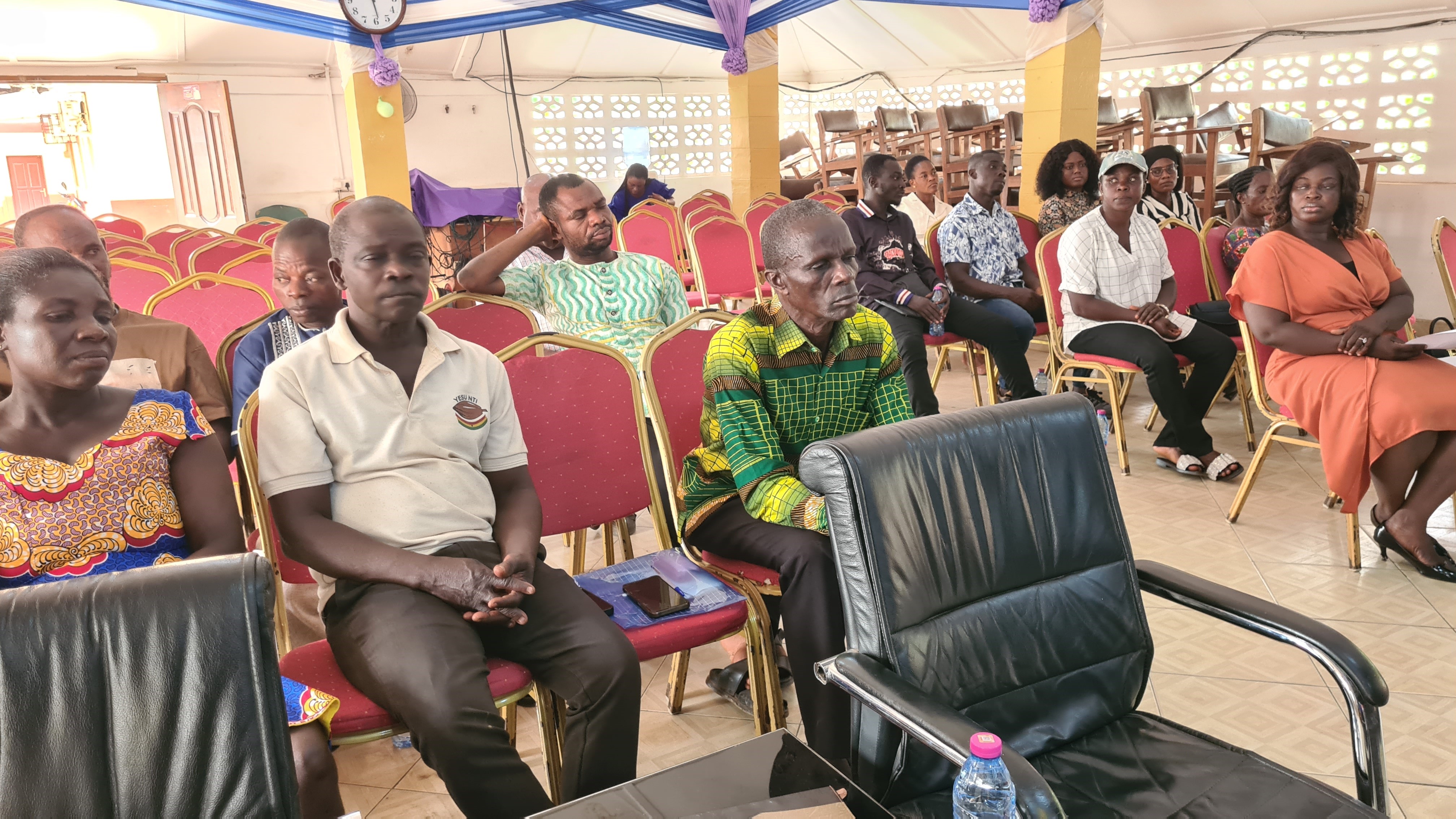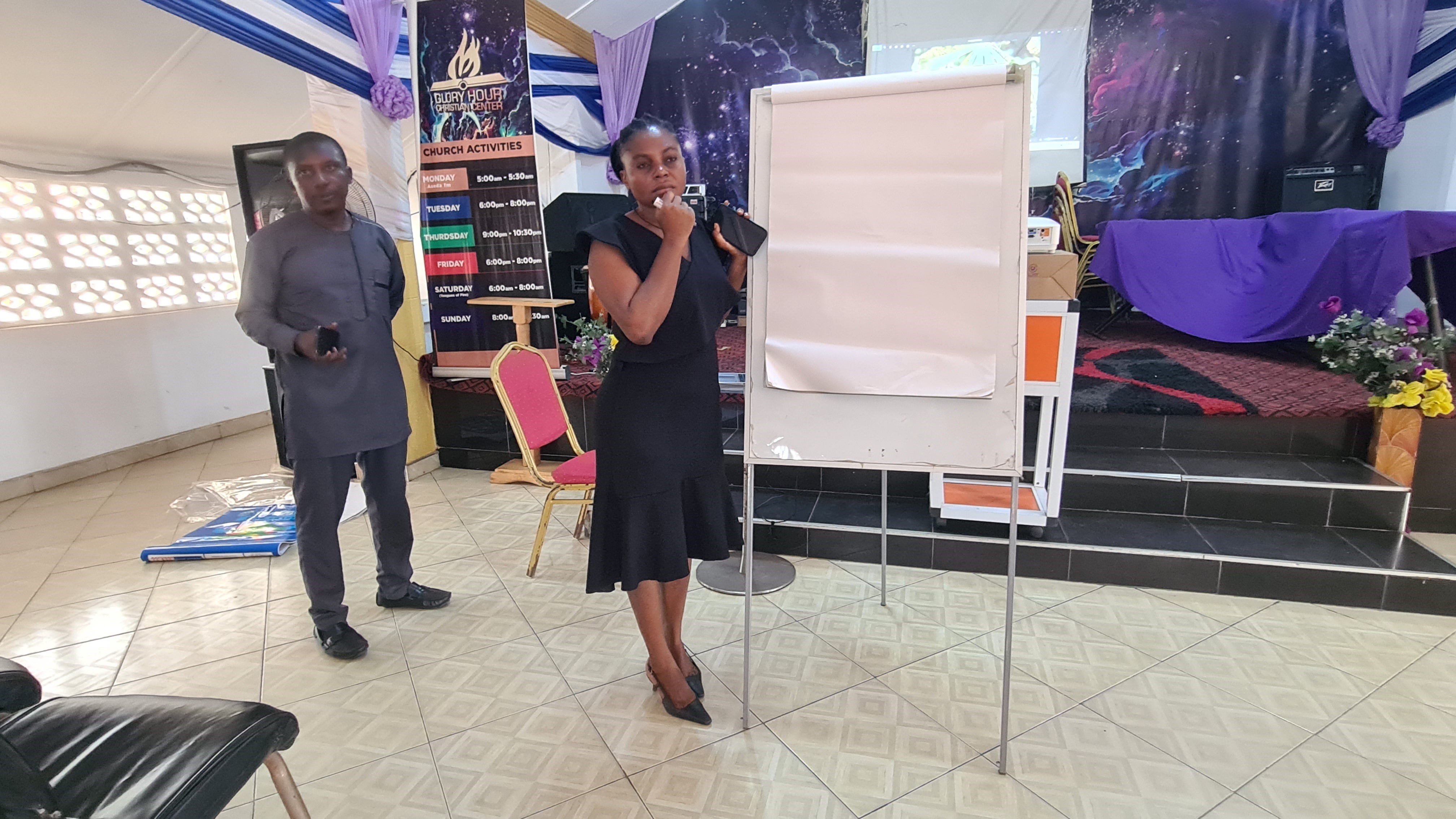
Stakeholders across the agricultural value chain gathered on July 21, 2026, for the annual Municipal Research-Extension-Farmer Linkage Committee (RELC) planning and review session. This vital forum serves as a collaborative space to identify agricultural development constraints, prioritize challenges, and map out strategic solutions to elevate farming standards across the municipality.
Tackling Challenges Head-On: Key Interventions Implemented
Building on feedback from previous years, the department rolled out a robust series of activities designed to address core agricultural bottlenecks:
1. Crop Health & Field Management: Regular monitoring visits ensured good farm sanitation, the use of disease-free planting materials, and the prompt removal of infected plants.
2. Pest & Disease Control: Organised mass vaccinations for endemic diseases (protecting small ruminants, rabbits, cats, dogs, and birds) and successfully distributed government-backed chemicals to curb Fall Armyworm (FAW) infestations.
3. Livestock & Housing Support: Educated livestock farmers on modern breed improvement, animal production techniques, and improved livestock housing.
4. Processor Empowerment: Encouraged processors to form Farmer Based Organizations (FBOs) while strengthening existing ones.
5. Knowledge & Input Access: Hosted educational forums on post-harvest grain management, conducted plant clinics, facilitated home and farm visits, and raised awareness on national initiatives like Planting for Food and Jobs (PFJ) and the Planting for Export and Rural Development (PERD).
Inspiring Success Stories on the Ground
The impact of these sustained interventions is evident in the remarkable progress achieved by local farmers and processors:
1. Bumper Harvests and Better Lives
Mr. Emmanuel Agyei (Jimiso): By adopting improved agronomic practices on his 3-acre farm, Mr. Agyei has dramatically increased his yield from 10–12 bags to 39–43 bags per acre. The resulting financial growth has allowed him to complete his 4-bedroom house and successfully sponsor his daughter through nurses’ training school.
2. Equipment and Asset Acquisition via NBSSI
Through strategic collaboration with the NBSSI, several local farmers have secured crucial machinery and transport to scale up their operations:
Martha Anokye (Mampamhwe): Acquired a maize thresher.
Daniel Affum (Boete): Acquired a vehicle for efficient animal and animal product distribution.
Isaac Kofi Acquah (Asonkore): Acquired gari-processing machines.
Edward Amponsah Bonsu (Aboagyekrom): Acquired livestock cages and a feed mixer.
Kadija Benewaa (Domeabra): Acquired a corn milling machine.
3. Broader Sector Achievements
Livestock Health: A measurable decrease in the rate of P.P.R. infections among small ruminants.
Input Accessibility: Sensitization on the PFJ initiative has made it easier for farmers to access subsidized inputs within the district.
Tree Crop Expansion: Over 51,100 oil palm seedlings and 10,000 coconut seedlings have been successfully distributed to farmers.
Pest Suppression: Government-supplied chemicals have successfully lowered Fall Armyworm infestation rates across the district.
Looking Forward
The 2026 RELC session highlighted the immense potential of collaborative agricultural governance. By continuously aligning research, extension services, and farmer feedback, the municipality remains steadfast in driving productivity, uplifting rural livelihoods, and ensuring long-term food security.
Click on link to view full details of the report PLANNING SESSION RELC PLANNING SESSION 2026 (obsi east)