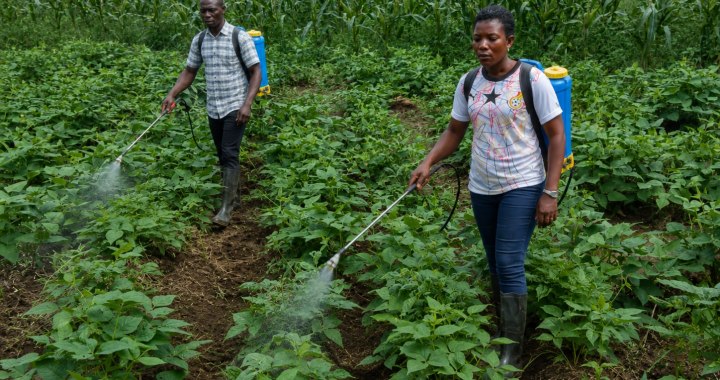
As part of efforts to promote improved cowpea production technologies and increase productivity among farmers in the Obuasi East Municipal, the Department of Agriculture established a cowpea field demonstration at the Asonkore Prison Farms. The demonstration was designed to showcase improved production practices, encourage the adoption of high-yielding varieties, and demonstrate effective pest and disease management strategies for sustainable cowpea production.
The field demonstration was led by Diana Broni, District Agriculture Officer (Crop), with technical support from Priscilla Nyarko, Agricultural Extension Agent (AEA). Throughout the production cycle, regular field monitoring, technical supervision, and advisory services were provided to ensure adherence to recommended agronomic practices.
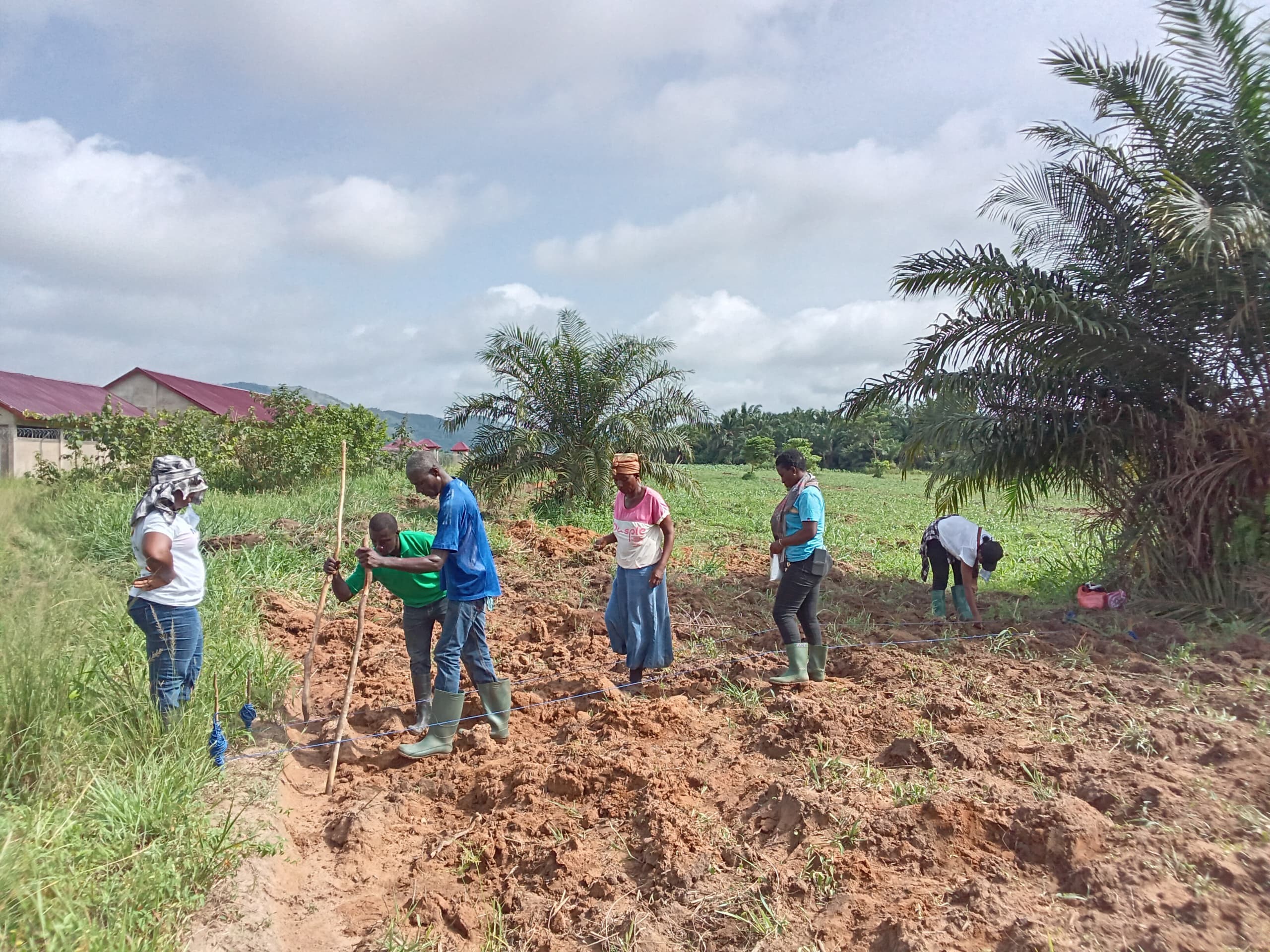
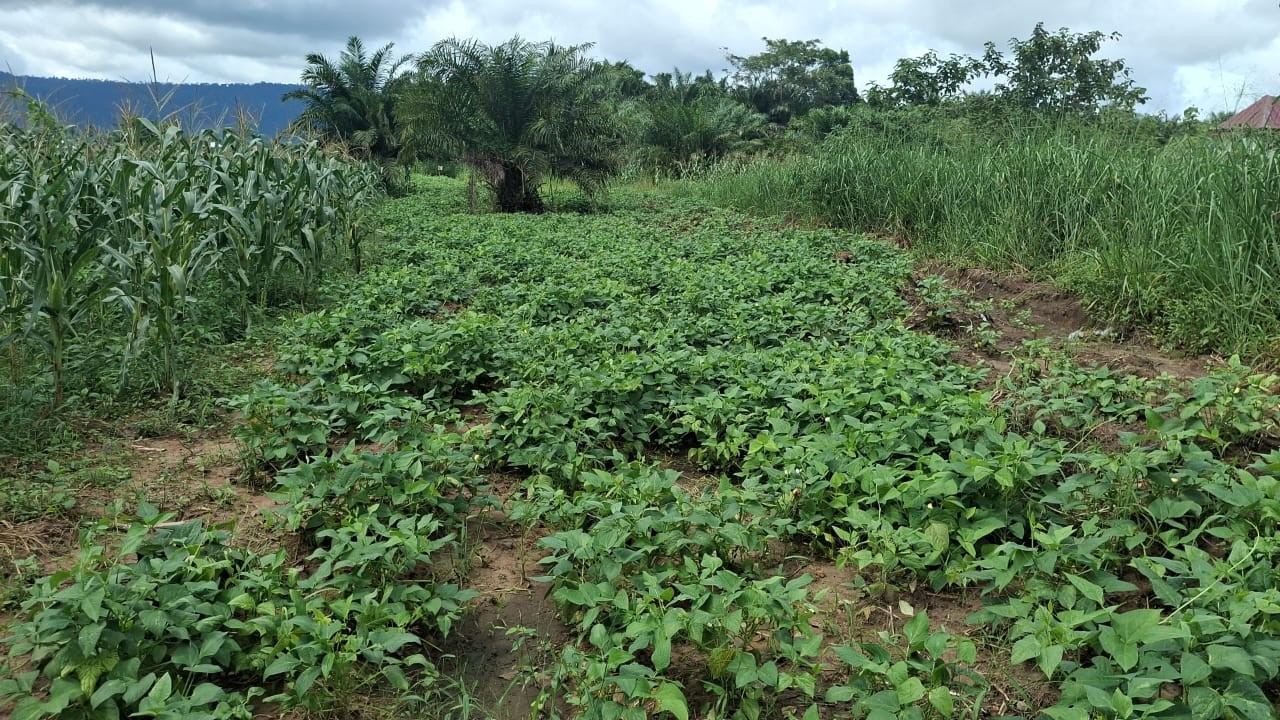
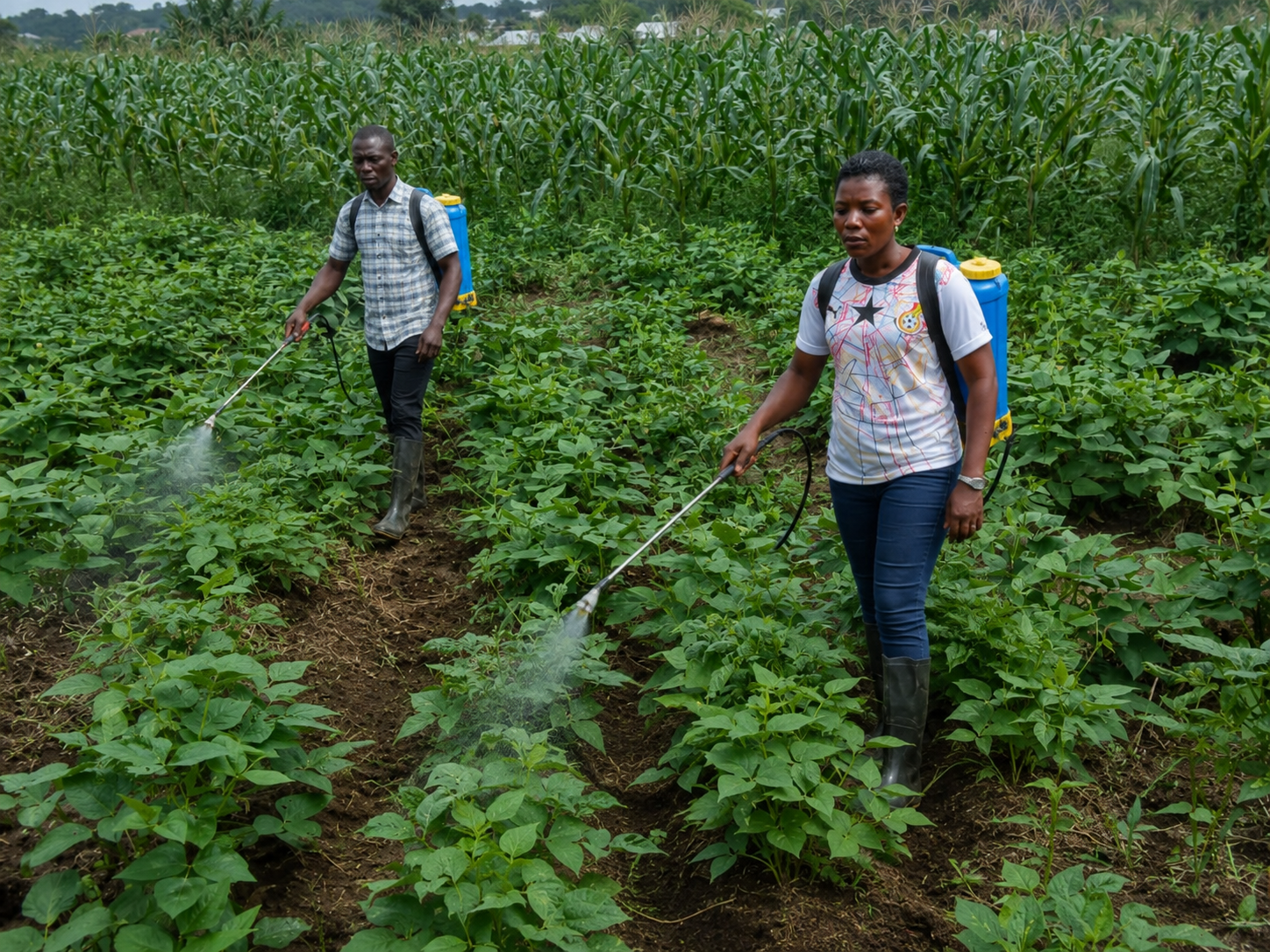
Demonstration Details The improved cowpea variety Zamzam was planted using the recommended spacing of 100 cm × 40 cm to ensure adequate plant population, proper aeration, and efficient crop development. Land preparation, planting, field maintenance, and weed management were carried out according to recommended agronomic standards. To protect the crop against insect pests and diseases, timely pesticide applications were undertaken. The pesticides used included: Warrior Super, Adepa, Bypel and Spartan. These products were applied at the appropriate growth stages to effectively manage major cowpea pests, minimize crop damage, and improve pod development and grain quality.
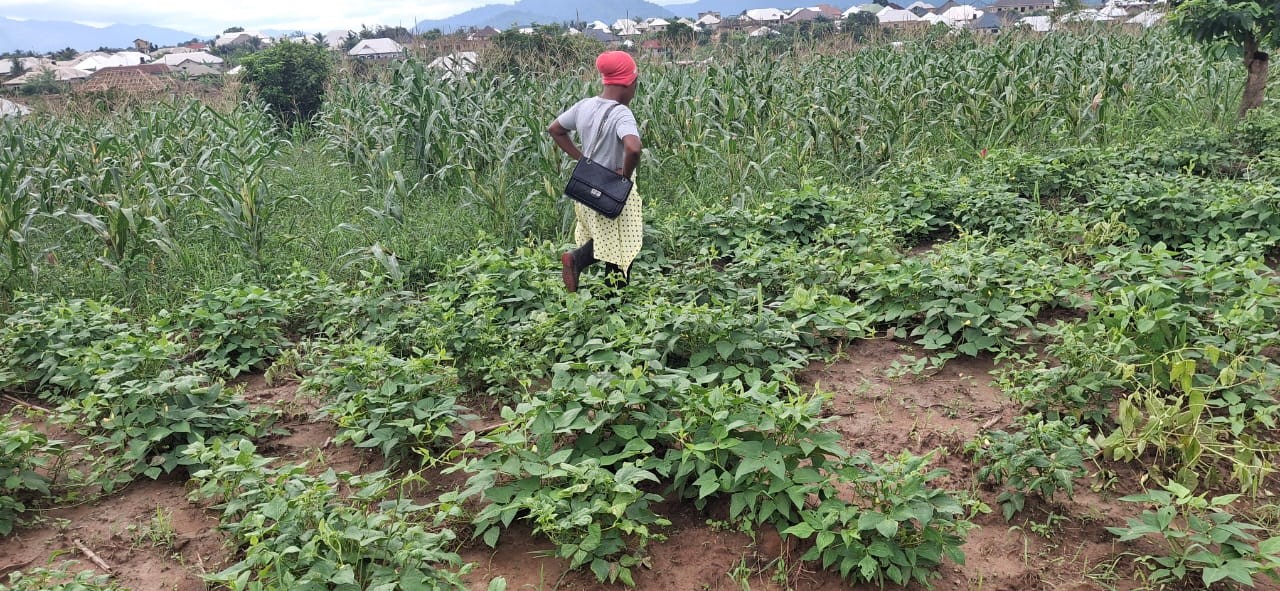
Field Monitoring and Management Regular field visits were conducted by the technical team to monitor crop growth, assess pest and disease incidence, and provide technical guidance throughout the production period. Appropriate recommendations were given on field sanitation, timely spraying, and other cultural practices to ensure optimum crop performance.
The demonstration served as a practical learning platform where farmers and other stakeholders observed the performance of the improved Zamzam variety under recommended management practices. Participants gained practical knowledge on proper spacing, pest and disease control, and the importance of adopting improved technologies to increase productivity.
Results
The demonstration recorded an impressive yield of 4.7 tonnes per hectare, demonstrating the high yield potential of the Zamzam variety when combined with recommended agronomic practices and effective pest management.
The successful performance of the demonstration highlighted the benefits of using improved seed varieties together with good agricultural practices, resulting in increased productivity and better returns for farmers.
Conclusion The cowpea field demonstration at Asonkore Prison Farms successfully achieved its objective of demonstrating improved cowpea production technologies. The excellent yield obtained confirms that adopting improved varieties, recommended planting distances, and effective pest management practices can significantly enhance cowpea production in the municipality.
The Department of Agriculture will continue to promote these improved technologies through field demonstrations, farmer training, and extension services to encourage wider adoption among farmers and contribute to improved food security, nutrition, and household incomes in the Obuasi East Municipal.