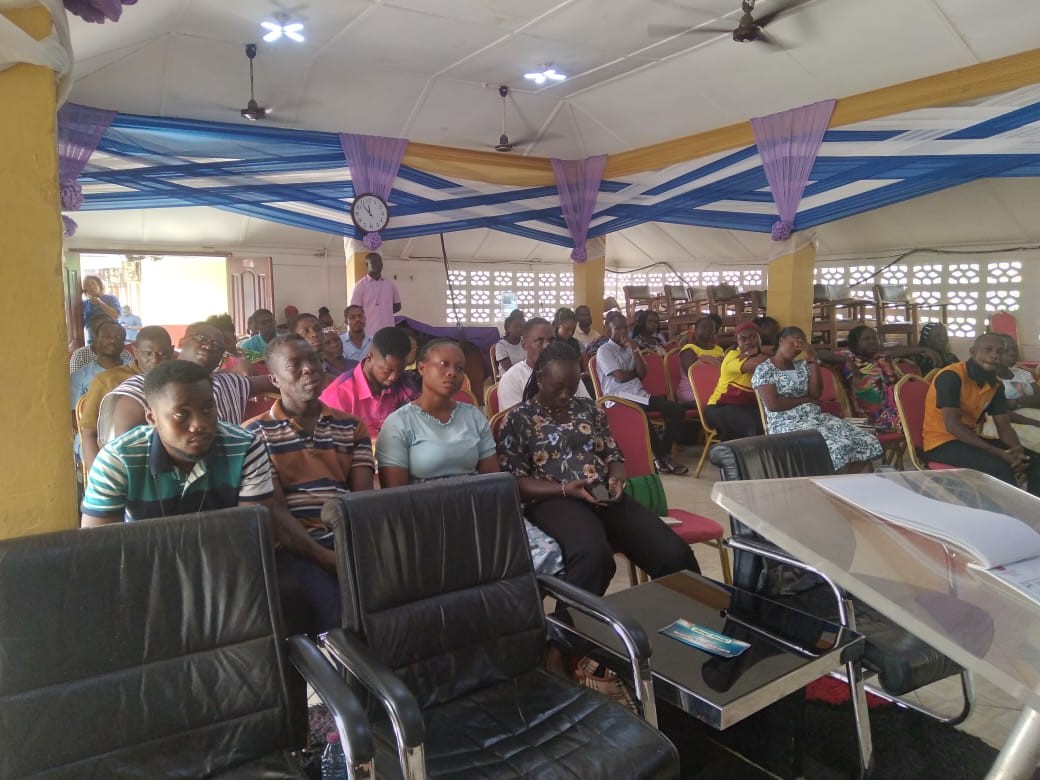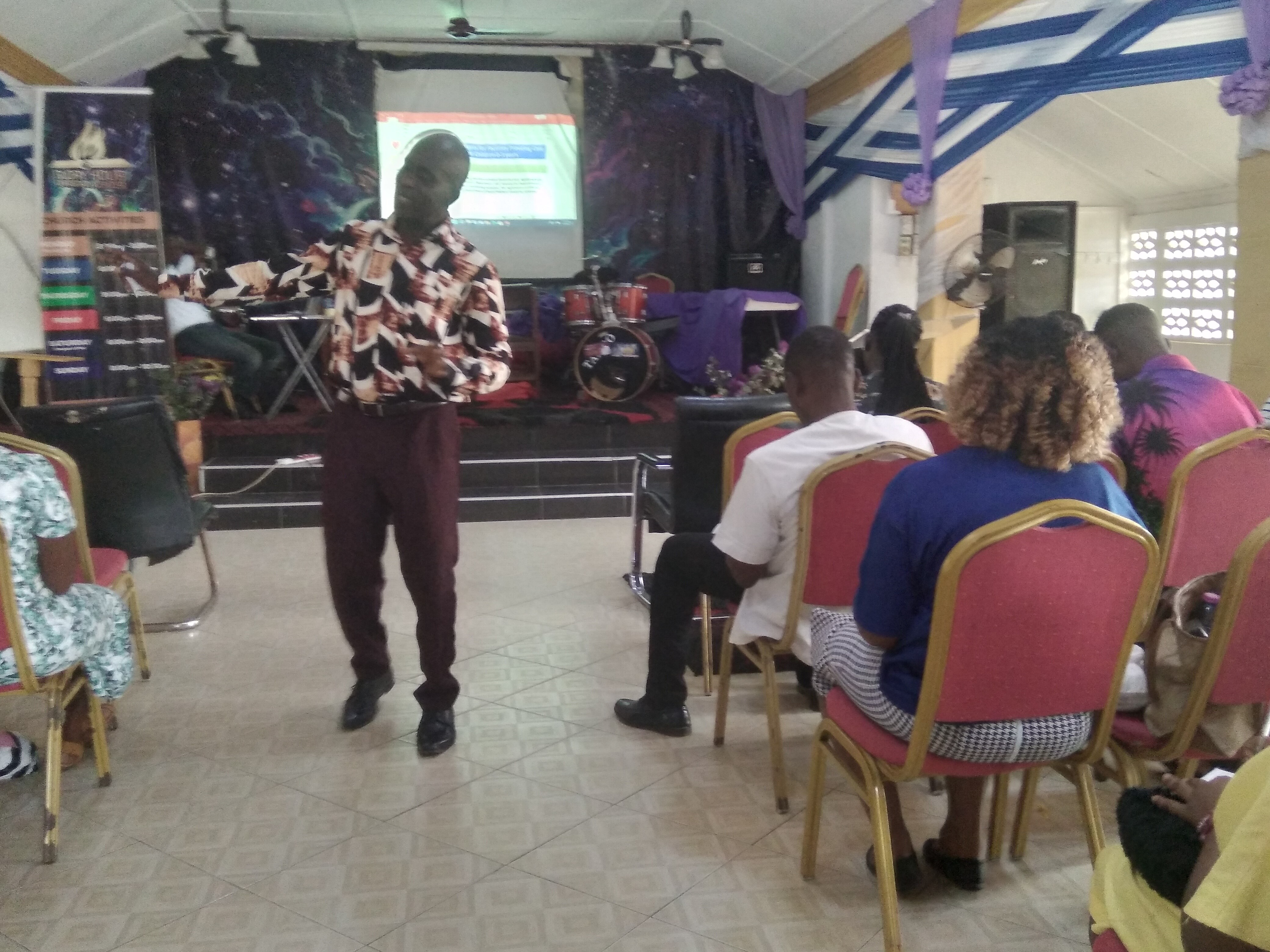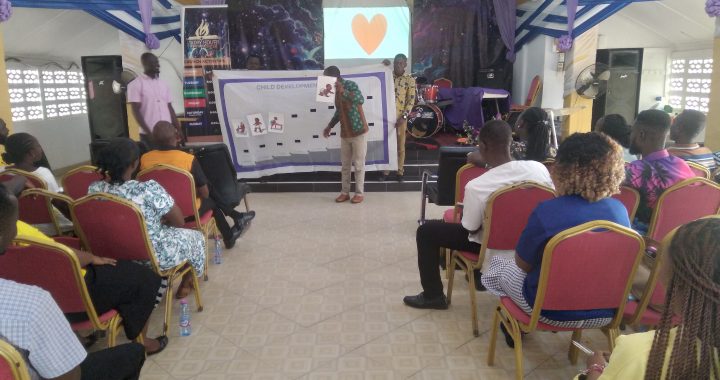
In a concerted effort to strengthen early childhood education and child protection, the Social Welfare and Community Development Department of the Obuasi East Municipal Assembly has successfully held a two-day workshop on Early Childhood Care and Development (ECCD) Standards.
The intensive training took place from 17th to 18th June 2026 at the Wawase Old Court, drawing a total of 70 participants from 35 registered day care centres across the municipality.
Driving Quality and Compliance
The workshop forms part of the Department’s core mandate to regulate, monitor, and support early childhood institutions. By equipping proprietors, supervisors, and attendants with standard guidelines, the Assembly aims to ensure that children receive quality care, holistic growth, and robust protection in line with national regulations.
Key objectives of the programme included:
Promoting compliance with national licensing and regulatory requirements.
Improving facility standards in child protection, health, hygiene, and nutrition.
Strengthening management, supervision, and service delivery across all centers.
Fostering stronger collaboration between the Municipal Assembly and day care operators.
Interactive Learning and Expert Facilitation
Led by a seasoned team of facilitators headed by Mr. Peter Owusu Ansah, alongside Co-Facilitators Mad. Justina Moh and Mr. Godwin Komla Bansah, the programme abandoned traditional lectures in favor of participatory methods.
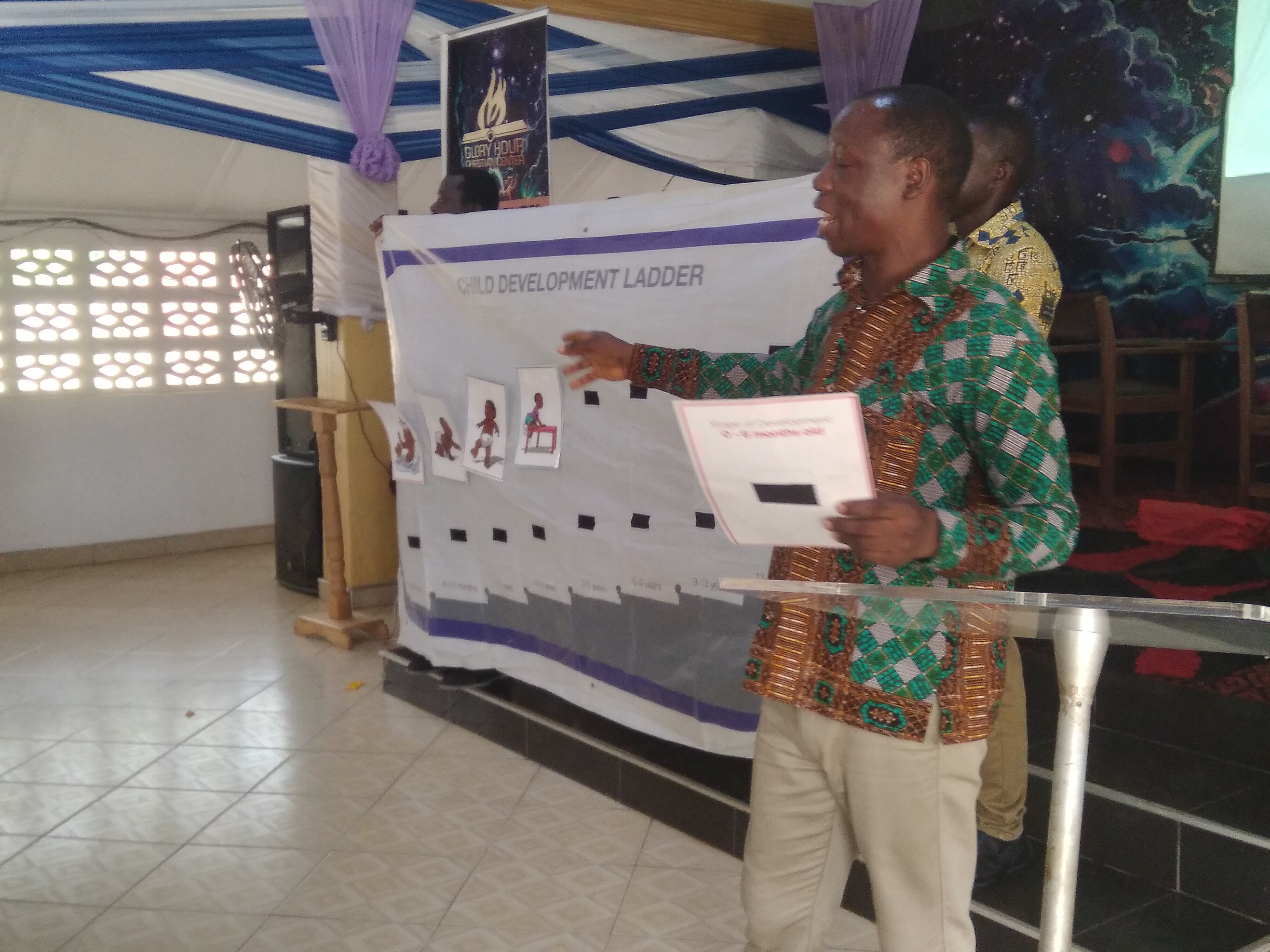
Participants engaged in interactive presentations, group role-plays, case studies, and experience-sharing sessions. Day One focused on laying the foundation of Ghana’s ECCD standards, categorizing care systems, understanding the child development ladder (ages 0–3), and reinforcing child rights, safeguarding, and professional ethics.
Day Two shifted to practical execution. Facilitators drilled down into:
Health, Nutrition, and Hygiene: Best practices in personal hygiene, environmental sanitation,
food safety, and first-aid preparedness.
Safe Learning Environments: Creating child-friendly facilities, secure indoor and outdoor play
spaces, and emergency preparedness.
Statutory Compliance: Clear guidelines on registration, licensing procedures, operational fees,
and proper administrative record-keeping (attendance registers, logbooks, and staff records).
Feedback from the workshop was overwhelmingly positive. Participants reported a heightened awareness of national child protection frameworks, enhanced knowledge of health standards, and a clearer appreciation of regulatory expectations.
While operators demonstrated immense commitment, the sessions also brought to light shared challenges, including financial constraints, high compliance costs, and limited teaching materials. To sustain the momentum, facilitators urged operators to conduct regular self-assessments, settle annual operational fees, and acquire valid national certificates.
The Department of Social Welfare and Community Development remains optimistic that the knowledge gained will drastically improve the standard of care, safety, and holistic development for children throughout the Obuasi East Municipality.